
True Crime
Jane Doe's lawyer says Chi Phi held meetings to cover up the Cornell allegations. What that claim can and cannot do.
The New York Post reported Wednesday, Oct. 7, 2026, that Thomas Giuffra, the lawyer for the former Cornell student identified as Jane Doe, told CNN's Anderson Cooper that the fraternity held meetings after she went to campus police to try to cover up what happened. He called it a "conspiracy of silence." No one has been charged with a crime.
By Crime Talk Network Staff Writer ·
A lawyer's description of a cover-up on cable news is advocacy. It is not a charge. Staying quiet is generally not a crime in New York. Hiding evidence, coaching a witness to lie, or helping someone avoid arrest can be. If Attorney General Letitia James's office looks at these meetings, the question will be what anyone did, not what anyone failed to volunteer.
The New York Post reported Wednesday, Oct. 7, 2026, that Thomas Giuffra, the attorney for the former Cornell University student identified in court papers as Jane Doe, told CNN's Anderson Cooper that after she reported the alleged October 2024 sexual assault to campus police, the "whole fraternity had meetings to try and cover this up and to be part of the conspiracy of silence." Giuffra said he had learned of the meeting on Tuesday. "That's really frightening that this happened," he said, according to the Post. "There were 57 people who got that group chat and not one of them, other than the person who leaked it to her, did anything." He added that nobody walked out of those meetings and said it was wrong or went to the police. Those are a lawyer's statements on television about his client's case. They have not been tested in any courtroom.
The Post tied Giuffra's claim to records ABC News first reported this week. Those documents, as the Post described them, show the chapter worried that "the reputation of all involved and the frat would be ruined" and tried to frame the night as a "consensual orgy." One student told Cornell investigators, "Chi Phi held a meeting essentially to get all of the men on the same page about what happened," and, "I know for a fact there are group messages about the situation." Members questioned by campus police said the subject came up only at an ordinary weekly chapter meeting. "We didn't have a meeting about it specifically," one said, according to the Post. "It was our weekly chapter meeting. We got through a bunch of stuff." Two accounts of the same meeting are exactly what a grand jury can sort out with subpoenas for the messages and testimony under oath.
The legal line matters here. New York, like most states, generally does not make it a crime for a bystander to keep quiet about something he heard. A "conspiracy of silence" is a moral accusation, not a charge in the penal law. What the law does reach is conduct: destroying or hiding evidence, pressuring a witness, lying to investigators in ways the law forbids, or helping someone avoid arrest or prosecution. A chapter meeting where members compared stories could be harmless, could be evidence that witnesses shaped their accounts, or could be both. A prosecutor would want the group messages, who attended, and what each person told police afterward, because a witness who coordinated his story is a witness a jury may not trust, whichever side calls him.
The criminal investigation now belongs to Attorney General Letitia James, whom Gov. Kathy Hochul appointed special prosecutor after criticism of how the case was handled. Tompkins County District Attorney Matthew Van Houten had declined to bring charges in 2024. James has described a monthslong process with no predetermined outcome. Cornell's trustees have separately hired Sally Yates to review how the university handled the case, and Doe's civil lawsuit against the university, the fraternity, and seven men is pending. The men named in that suit have denied wrongdoing, some saying the encounter was consensual and others denying they took part. Campus discipline is not a criminal conviction, and a lawsuit is not an indictment. No one has been charged. All defendants are presumed innocent until proven guilty in a court of law.
Shop
Checkout is on Shopify. A few from the rack:
More on the desk
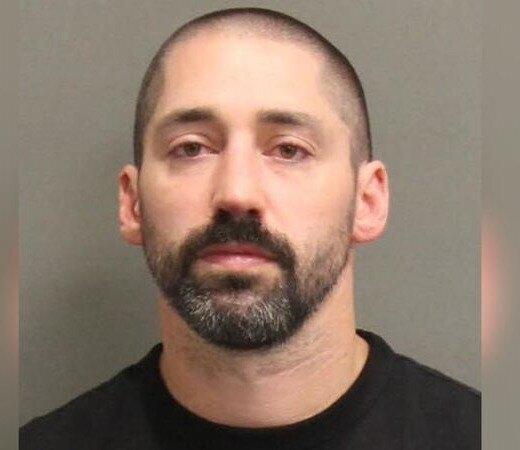
By Crime Talk Network Staff Writer
BREAKINGNashville Officer Charged With Work DUI
The breath result and the firearm count are charges. Decommissioning takes his police authority while the department looks at his job, and it is not a finding of guilt. The criminal case still has to be proved.
Read the take
Reporting noted by WSMV and FOX17 Nashville.
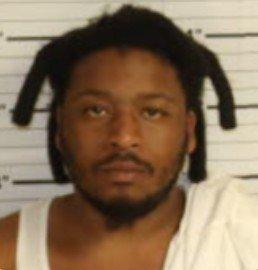
By Crime Talk Network Staff Writer
BREAKINGThurman Charged in South Memphis Killing
Police say the investigation points to Thurman. The warrant is the accusation. It does not name the two people who were shot, and it is not a trial. The man who died does not get a verdict from an arrest.
Read the take
Reporting noted by Memphis Police Department, Action News 5, and FOX13 Memphis.
By Crime Talk Network Staff Writer
BREAKINGNo Charge in Biddeford ICE Shooting
Durán Guerrero is dead, and no one has been charged. Emails from 2021 can tell a prosecutor where to look. They do not prove what an officer saw in the seconds before the shots, and they are not a case. The decision still sits with the attorney general.
Read the take
Reporting noted by The New York Times, Portland Press Herald, and Bangor Daily News.