
True Crime
Judge Kierny sentenced Duane "Keffe D" Davis to 40 years to life in the Tupac murder.
On Tuesday, Oct. 13, 2026, Clark County District Judge Carli Kierny sentenced Duane "Keffe D" Davis, 63, to 40 years to life in prison after an August jury convicted him of first-degree murder with a deadly weapon in the 1996 killing of Tupac Shakur. The Associated Press, CBS News, News 3 Las Vegas, and CNN reported the term. CBS News reported he received credit for time already served. CNN reported 731 days of credit.
By Crime Talk Network Staff Writer · · Updated
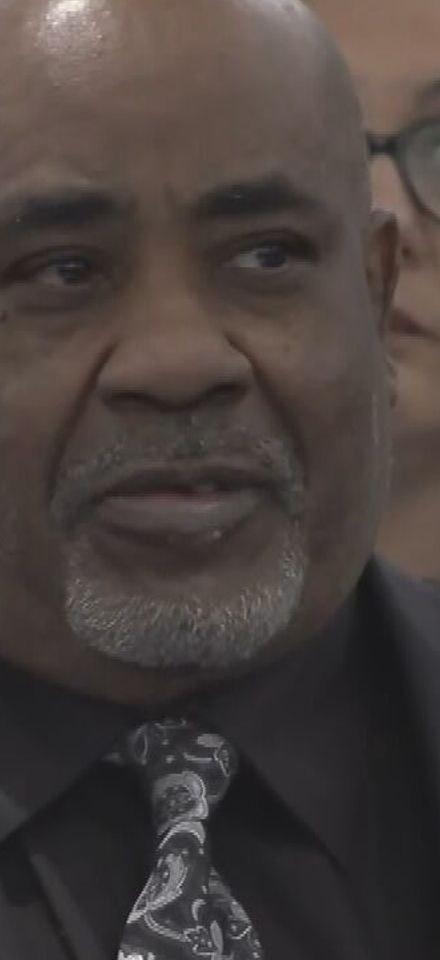
Forty years to life is the sentence the judge imposed. It is not the life-without-parole maximum Vice had attributed to the Associated Press earlier Tuesday while the wire still said he faced that maximum. The Associated Press, CBS News, and News 3 Las Vegas now report the same imposed term. An appeal, which Davis's lawyer said he plans, is a later case. The August conviction and Tuesday's sentence are the judgment.
On Tuesday, Oct. 13, 2026, Clark County District Judge Carli Kierny sentenced Duane "Keffe D" Davis, 63, to 40 years to life in prison for orchestrating the murder of Tupac Shakur, the Associated Press, CBS News, News 3 Las Vegas, and CNN reported. Earlier Tuesday, Crime Talk Network noted that Vice had written that he received life without parole and cited the Associated Press, while the AP copy then still said he faced that maximum and the Las Vegas Review-Journal still labeled the hearing developing. That gap is closed. The outlets that covered the pronouncement now agree on the term.
CBS News reported that Kierny said he would receive credit for time already served. CNN reported 731 days of credit toward the sentence. News 3 Las Vegas updated its Tuesday coverage to say a judge had sentenced Davis to 40 years to life. The Associated Press reported prosecutor Marc DiGiacomo told the court that whatever sentence it imposed, Davis was "guaranteed to die" behind bars, and that DiGiacomo argued Davis did not deserve the minimum because he had tried to profit off the killing. CBS News reported Davis spoke briefly, asking that some belongings police took from his house, including pictures, be returned, and that he said there was nothing more he wanted to say. The Associated Press reported his lawyer, Michael Sanft, said he plans to appeal and argued prosecutors waited too long to bring the case.
The conviction that brought him to sentencing is unchanged. The Associated Press reported a jury convicted him in August of first-degree murder with the use of a deadly weapon. FOX5 had reported the verdict was Aug. 31 after less than three hours of deliberations. CNN reported he waived jury sentencing at the start of trial so Kierny set the term alone. Prosecutors did not seek the death penalty, News 3 reported. He remains the only person ever charged in Shakur's death, the Associated Press reported. The three other people who allegedly were in the white Cadillac, including nephew Orlando Anderson, have died, the Associated Press reported.
The Associated Press reported that on the night of Sept. 7, 1996, Shakur was in the passenger seat of a black BMW with Marion "Suge" Knight when a white Cadillac pulled up at a red light and shots were fired. Shakur, 25, was shot multiple times and died six days later. Knight survived. Prosecutors argued Davis orchestrated the shooting and provided the gun after Shakur and his entourage beat Anderson hours earlier at the MGM Grand, the Associated Press and the Review-Journal have reported. The Associated Press reported Shakur's siblings Maurice "Mopreme" Shakur and Sekyiwa "Set" Shakur spoke at sentencing. Expected family statements before the hearing are not the same as statements made in the courtroom. Tuesday's courtroom statements are what the Associated Press and CBS News described.
Vice's earlier report of life without parole, citing AP, does not match the term Judge Kierny imposed as the Associated Press, CBS News, News 3, and CNN now report it. Forty years to life is the sentence. An appeal is not a new trial and not a new sentence. All defendants are presumed innocent until proven guilty in a court of law.
Shop
Checkout is on Shopify. A few from the rack:
More on the desk
By Crime Talk Network Staff Writer
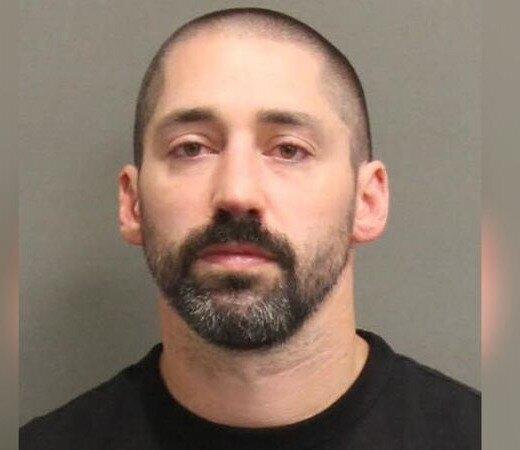
BREAKINGNashville Officer Charged With Work DUI
The breath result and the firearm count are charges. Decommissioning takes his police authority while the department looks at his job, and it is not a finding of guilt. The criminal case still has to be proved.
Read the take
Reporting noted by WSMV and FOX17 Nashville.
By Crime Talk Network Staff Writer
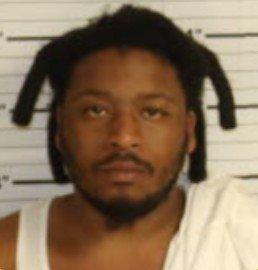
BREAKINGThurman Charged in South Memphis Killing
Police say the investigation points to Thurman. The warrant is the accusation. It does not name the two people who were shot, and it is not a trial. The man who died does not get a verdict from an arrest.
Read the take
Reporting noted by Memphis Police Department, Action News 5, and FOX13 Memphis.
By Crime Talk Network Staff Writer
BREAKINGNo Charge in Biddeford ICE Shooting
Durán Guerrero is dead, and no one has been charged. Emails from 2021 can tell a prosecutor where to look. They do not prove what an officer saw in the seconds before the shots, and they are not a case. The decision still sits with the attorney general.
Read the take
Reporting noted by The New York Times, Portland Press Herald, and Bangor Daily News.