
True Crime
Judge Sullivan denied Lindsay Clancy's request to investigate the holdout juror.
Boston 25 News reported Wednesday, Oct. 21, 2026, that Judge William Sullivan refused an evidentiary hearing on the holdout juror from Lindsay Clancy's trial. NBC Boston, WBUR and Boston.com reported Thursday that the written order says she is not entitled to that hearing, citing the Karen Read decision, and that the Nov. 2 argument on the dismissal motion will not take new evidence.
By Crime Talk Network Staff Writer · · Updated
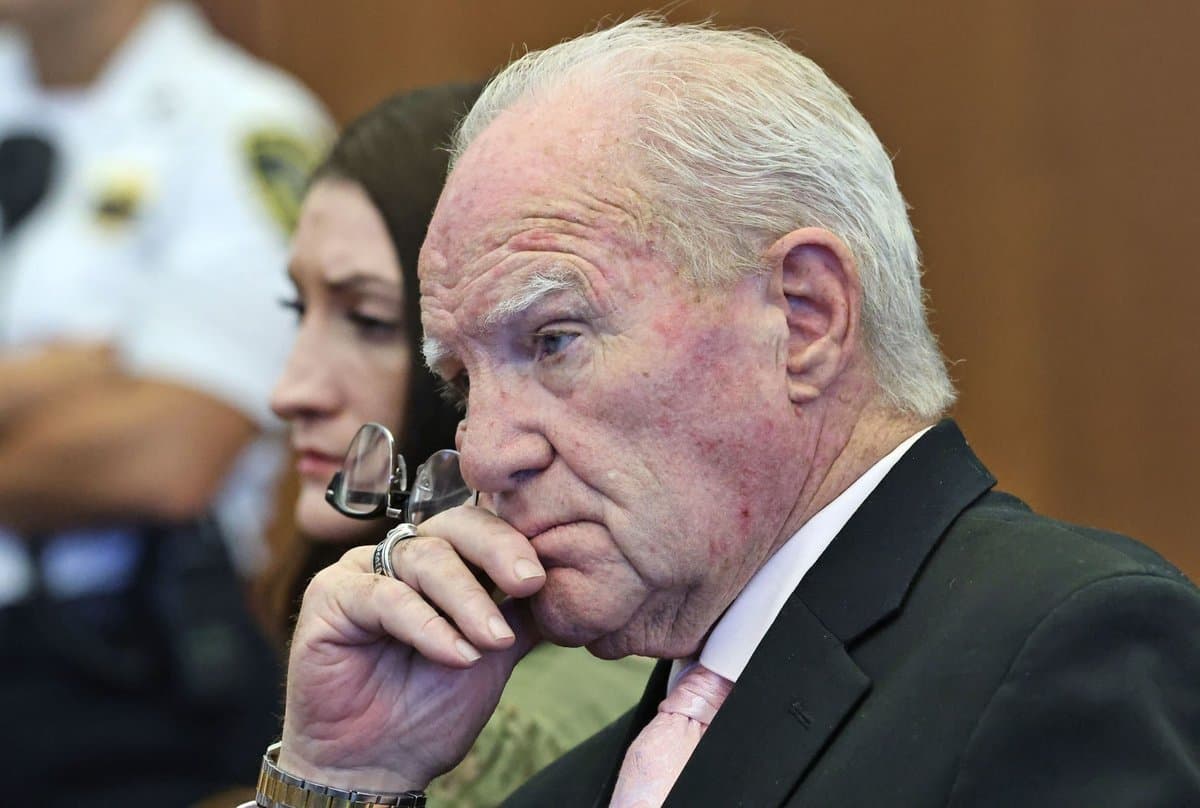
Thursday's accounts of the written order say later information about the holdout is not part of whether the Sept. 4 mistrial was manifestly necessary. Sullivan tied that to the Karen Read decision, and he wrote that Clancy is not entitled to an evidentiary hearing on the point. Nov. 2 is still the argument on the dismissal motion, and those accounts say it will go ahead without the new evidence the defense wanted.
Plymouth Superior Court Judge William Sullivan on Wednesday, Oct. 21, 2026, denied Lindsay Clancy's request for an evidentiary hearing into the holdout juror from her trial, Boston 25 News reported. The station reported her attorneys had sought records and further questioning of that juror as part of their effort to dismiss three murder indictments on double-jeopardy grounds. Boston 25 News reported the defense raised questions about whether the juror lied on a questionnaire during jury selection and whether the juror used a cellphone or received outside information during deliberations, and argued the court could have investigated the juror and possibly seated an alternate instead of declaring a mistrial. Sullivan ruled that whether the mistrial was necessary must be judged on what was known when it was declared, not on information that surfaced afterward, and that further inquiry into the juror's reasoning or the substance of the deliberations would be inappropriate, Boston 25 News reported.
Boston 25 News did not name the juror. Earlier reporting identified the lone holdout as Michael Desronvil. A motion already in the case asked Sullivan to investigate him. That request, as previously reported from the Associated Press, NBC News, and the BBC, sought call and text records from 8 a.m. to 4:30 p.m. on deliberation days and questioned his jury questionnaire and his answers when the judge questioned jurors the day before the trial ended. Those were requests. Wednesday's ruling does not find that a phone was used, that a questionnaire answer was false, or that anyone outside the jury reached a juror. Desronvil's lawyer, Edward Paltzik, had called the investigation request an attack on a lone holdout and on the Constitution, that earlier reporting said. Clancy's 26-day trial ended in a mistrial Sept. 4 after the jury could not reach a verdict, and the foreperson identified one juror as the lone holdout, Boston 25 News reported.
The motion to dismiss the three murder indictments has not been decided, Boston 25 News reported. A separate motion by Martin Weinberg, reported in September from the Associated Press, NBC News, and the BBC, asks the judge to dismiss the case rather than retry it, on the argument that the mistrial should not have been declared. A dismissal motion does not end the charges until a judge grants it. The parties are scheduled to argue the motions Nov. 2, Boston 25 News reported.
NBC Boston, WBUR and Boston.com reported Thursday, Oct. 22, 2026, on the written order. NBC Boston reported Sullivan wrote that Clancy "seeks an evidentiary hearing to determine whether Juror Doe lied on the jury questionnaire about prior involvement with the criminal justice system," and that "potential evidence of good cause to dismiss a deliberating juror that came to light only after a mistrial was declared simply is not relevant to whether there was a manifest necessity for a mistrial." NBC Boston reported he tied that standard to the Karen Read decision, which said manifest necessity is determined "based on what was known at the time of [the judge's] decision," and which said allowing posttrial juror accounts to affect the analysis "would create endless confusion and controversy." Boston.com reported he wrote, "Because post-trial information potentially affecting Juror Doe's impartiality cannot be used to attack the determination that a mistrial was manifestly necessary, Clancy is not entitled to an evidentiary hearing on that issue." WBUR reported the ruling said this month's status hearing will not include the requested evidentiary hearing. NBC Boston reported the Nov. 2 hearing on the motion to dismiss will still go ahead without new evidence being introduced. Those are Thursday's accounts of Wednesday's order. They do not decide the dismissal motion. All defendants are presumed innocent until proven guilty in a court of law.
Shop
Checkout is on Shopify. A few from the rack:
More on the desk
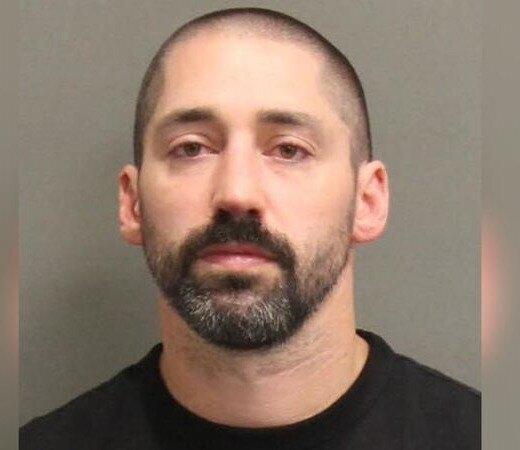
By Crime Talk Network Staff Writer
BREAKINGNashville Officer Charged With Work DUI
The breath result and the firearm count are charges. Decommissioning takes his police authority while the department looks at his job, and it is not a finding of guilt. The criminal case still has to be proved.
Read the take
Reporting noted by WSMV and FOX17 Nashville.
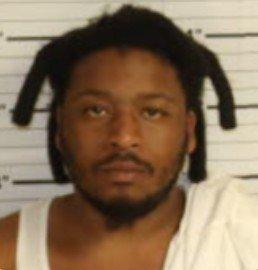
By Crime Talk Network Staff Writer
BREAKINGThurman Charged in South Memphis Killing
Police say the investigation points to Thurman. The warrant is the accusation. It does not name the two people who were shot, and it is not a trial. The man who died does not get a verdict from an arrest.
Read the take
Reporting noted by Memphis Police Department, Action News 5, and FOX13 Memphis.
By Crime Talk Network Staff Writer
BREAKINGNo Charge in Biddeford ICE Shooting
Durán Guerrero is dead, and no one has been charged. Emails from 2021 can tell a prosecutor where to look. They do not prove what an officer saw in the seconds before the shots, and they are not a case. The decision still sits with the attorney general.
Read the take
Reporting noted by The New York Times, Portland Press Herald, and Bangor Daily News.