
Pop Culture
The High Court quashed the search warrants used at Andrew Mountbatten-Windsor's homes.
The BBC reported that on Thursday, Oct. 8, 2026, Thames Valley Police accepted that the warrants used to search Andrew Mountbatten-Windsor's homes on Feb. 19 were unlawful, and Mr Justice Hilliard said the warrants were quashed. The force said the misconduct-in-public-office investigation continues. A further hearing, expected in 2027, will decide whether police can keep what they seized. He has not been charged.
By Crime Talk Network Staff Writer · · Updated
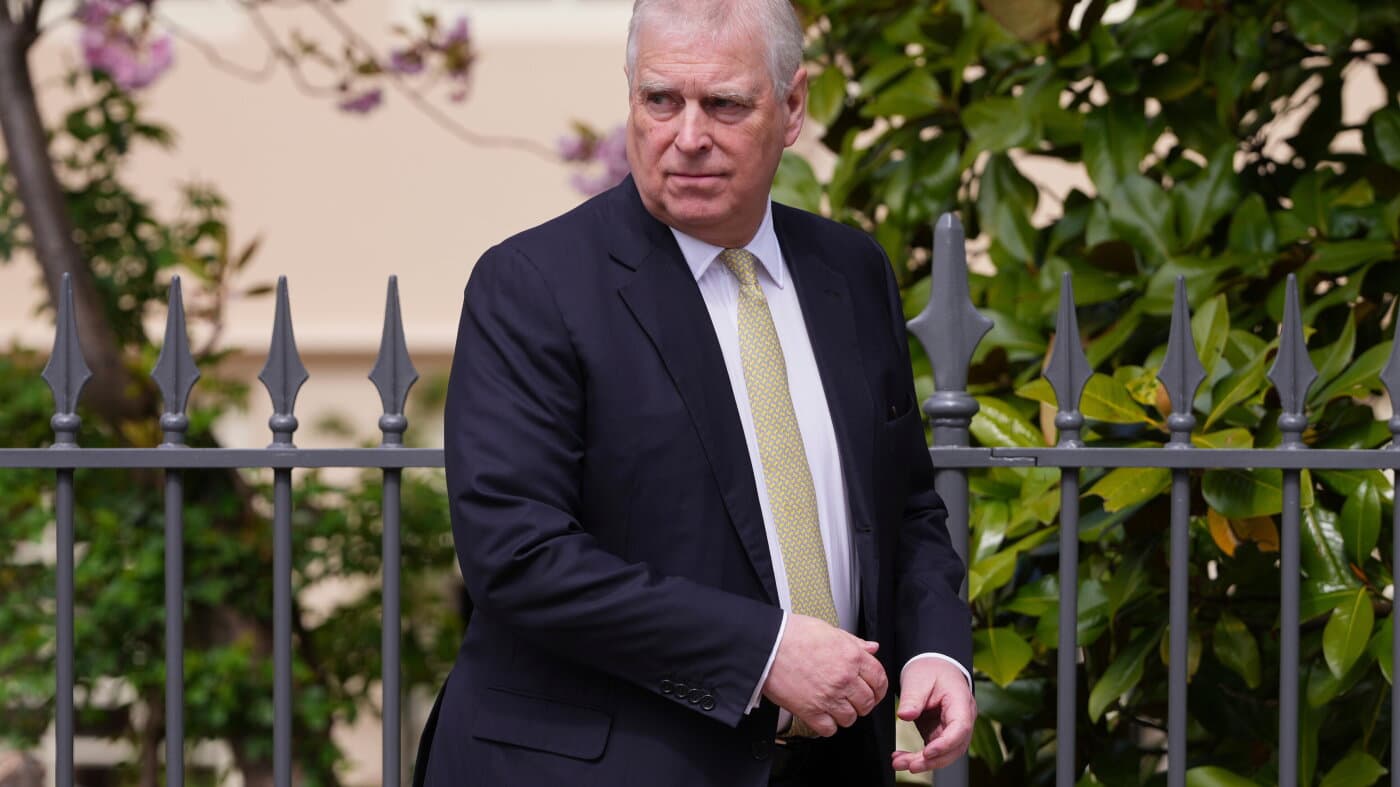
Quashing a warrant is a ruling about the legal power police used to search. It is not a ruling that the investigation is over, and it is not a charge. The BBC reported Mr Justice Hilliard said the quashing does not bring the investigation to an end or mean the whole of it is unlawful. Police still hold the documents and devices. Mountbatten-Windsor opposes their bid to keep them. He was arrested on suspicion in February and released under investigation.
The BBC reported that on Thursday, Oct. 8, 2026, the High Court was told Thames Valley Police accepts the warrants it used to search Andrew Mountbatten-Windsor's homes were unlawful. Mr Justice Hilliard said Mountbatten-Windsor and the police had agreed the search warrants were unlawful. He added, "The fact that the search warrants were quashed does not bring the investigation to an end or mean that the whole of the investigation is unlawful." The BBC reported police still hold the documents and electronic devices seized in the raids, that Mountbatten-Windsor opposes the force's bid to retain them, and that another hearing is expected in 2027. Hilliard said, "There would be little point in handing property back if it could then simply be lawfully seized under some other provision." A quashed warrant answers how the search was authorized. It does not return the property, and it does not end the file.
Thames Valley Police said the concession is about the legal basis, not the investigation. A spokesperson told the BBC, "The agreement that led to the quashing of the warrants relates specifically to a decision made by the court regarding the legal basis for these and is not a judgement on our ongoing investigation." The force said, "We accept the position that the initial court's decision to issue warrants under the specific piece of legislation used was incorrect and therefore these must be legally quashed." It said legal proceedings are underway "to decide how material seized during the searches will be managed and whether we can lawfully retain it in support of our ongoing investigation." The spokesperson also said the investigation into alleged misconduct in public office "by a man in his 60s from Norfolk remains ongoing." The BBC reported the error was which section of the Police and Criminal Evidence Act 1984 the Central Criminal Court used. Police had applied under sections 8 and 9. The court granted section 8 warrants only. The challenge established they should have been issued under section 9, because section 8 did not account for the chance officers would seize legally privileged or other specially protected material. The next hearing is whether a different power, with extra tests, lets police keep that material. The BBC reported police will have to show a judge the material is likely to be of substantial value to the investigation.
The searches those warrants authorized were on Feb. 19, the day of the arrest. The BBC reported Mountbatten-Windsor was arrested that day on suspicion of misconduct in public office, after the U.S. Department of Justice published documents that raised suspicions he had forwarded confidential information to Jeffrey Epstein while he was the U.K. trade envoy in 2010. He has consistently denied any wrongdoing in relation to Epstein, the BBC reported. The Guardian reported Monday, Oct. 5, that he was arrested on his 66th birthday, interviewed under caution, and released under investigation, and that a High Court judge had granted permission for the judicial review. The BBC reported the challenge is against the chief constable of Thames Valley Police and the Central Criminal Court, where a judge issued the warrants on Feb. 18. Police searched Wood Farm on the Sandringham estate and Royal Lodge on the Windsor estate. An arrest on suspicion is not a charge. Release under investigation is not a finding.
Thursday's result is what Monday's hearing was for. The Guardian reported Monday that a private hearing was set for Thursday afternoon before Mr Justice Hilliard, to decide whether documents tied to the judicial review could be made public, and that Thames Valley Police and the court opposed disclosure. The BBC reported Monday that the force said the investigation continued and that it would be inappropriate to comment further while the warrant proceedings were ongoing. Thursday produced the agreement that the warrants were unlawful and the quashing. What remains is the closed-door fight, expected in 2027, over whether police may retain what they took. Nick Vamos, a criminal lawyer at Peters & Peters and former head of special crime at the Crown Prosecution Service, had told the BBC before the hearing that police who lose a warrant on a technical error can sometimes apply to keep the material if they have grounds to seize it again. That is the application now pending. Mountbatten-Windsor has not been charged. All defendants are presumed innocent until proven guilty in a court of law.
Shop
Checkout is on Shopify. A few from the rack:
More on the desk

By Crime Talk Network Staff Writer
Page Six says unsealed records from the Lively-Baldoni fight include Ryan Reynolds texts calling Baldoni a "predator and sociopath."
A text message in a court file is proof that someone wrote something. It is not a finding that what he wrote is true. Reynolds was angry in August 2024, and the records Page Six obtained show it. Baldoni has denied Lively's allegations from the start, and no jury ever ruled on them. Page Six reported the case settled in May. What is left now is the paper trail.
Read the take
Reporting noted by Page Six, Yahoo Entertainment, and Just Jared.

By Crime Talk Network Staff Writer
LAPD homicide detectives searched Joshua Tree on Friday for evidence in Christina Downer's disappearance.
A search by homicide detectives is a step in an investigation. It is not an arrest, and it is not a finding that anyone killed Christina Downer. Fox News reported the LAPD would not say what evidence detectives hoped to find in Joshua Tree, or whether they were looking for remains or a suspect. NBC Los Angeles reported that dogs were part of the search. Fox News reported a department spokesperson could not confirm the dogs. No one has been named or charged.
Read the take
Reporting noted by Fox News, NBC Los Angeles, New York Post, and FOX 11 Los Angeles.
By Crime Talk Network Staff Writer
LAPD booked Gregory Walker on a felony assault count in the February shooting of 49ers lineman Keion White.
A booking described to a newspaper is the police account of who is in custody and on what count. It is not a criminal complaint the public has seen, and it is not a conviction. The New York Post reported that LAPD officials named Gregory Walker as the suspected gunman in the February shooting of Keion White. The Post did not report a charge against Lil Baby, who was described as the person White argued with before the shots. What a witness told police about two gunshots is an allegation. A jury has not heard it.
Read the take
Reporting noted by New York Post and Yahoo Sports.