
Trials
A Philadelphia federal judge sentenced Jalen Smith to six years in the NCAA point-shaving case.
The Associated Press, ESPN, and The Philadelphia Inquirer reported that on Tuesday, Oct. 13, 2026, U.S. District Judge Nitza I. Quiñones Alejandro sentenced Jalen Smith, 30, of Charlotte, N.C., to 72 months in prison, three years of supervised release, about $1.1 million in restitution, and $75,000 in forfeiture after his guilty plea to bribery, wire-fraud, and firearm counts tied to a sprawling NCAA men's basketball point-shaving scheme.
By Crime Talk Network Staff Writer ·
A federal prison term after a guilty plea is the judgment on those counts. It is the first sentence imposed in a case prosecutors say corrupted more than 29 Division I games. The plea and the Oct. 13 sentence close Smith's case; they do not dispose of the remaining defendants.
The Associated Press, ESPN, 6abc Philadelphia, and The Philadelphia Inquirer reported that on Tuesday, Oct. 13, 2026, in Philadelphia, Judge Nitza I. Quiñones Alejandro sentenced Jalen Smith, 30, of Charlotte, to 72 months in federal prison. The Inquirer and the U.S. Attorney's Office for the Eastern District of Pennsylvania, as those outlets summarized the announcement, also reported three years of supervised release, restitution of about $1.1 million, and forfeiture of $75,000. ESPN and AP called it the first penalty handed down in the investigation.
Prosecutors, as AP, ESPN, and the Inquirer reported, said Smith was a fixer who recruited NCAA players with bribes—typically $10,000 to $30,000 per game—to underperform so gamblers could bet against the spreads. The scheme, as those accounts describe it, reached more than 39 players on over 17 Division I teams, fixed or attempted to fix at least 29 games, and generated more than $3 million in fraudulent wagers with more than $1.1 million in sportsbook losses. Schools named in coverage include DePaul, Buffalo, and Tulane. Smith, a former basketball trainer, pleaded guilty earlier in 2026 to bribery in sporting contests, conspiracy to commit wire fraud, wire fraud, and possession of a firearm by a felon after a loaded pistol was recovered at his Charlotte home, the Inquirer and AP reported.
At sentencing, the Inquirer reported, Smith apologized and said he accepted the consequences, while also calling himself a pawn; his lawyer said his windfall over two years was about $75,000. Assistant U.S. Attorney Louis D. Lappen called the case an extremely serious, far-reaching bribery and sports-fixing prosecution, the Inquirer reported. More than half of the charged defendants have pleaded guilty, and a trial for the rest is set for next year, according to that coverage. All defendants are presumed innocent until proven guilty in a court of law.
Shop
Checkout is on Shopify. A few from the rack:
More on the desk
By Crime Talk Network Staff Writer
A D.C. federal judge sentenced Ashley Gause to 140 months for co-leading a Mid-Atlantic robbery crew.
A federal sentence after a jury conviction is the judgment on those counts. Prosecutors had asked for 235 months. Co-defendants already sentenced include D'Marrell Mitchell at 192 months and Floyd Neal at 157 months, as FOX 5 DC reported.
Read the take
Reporting noted by FOX 5 DC, WJLA, and U.S. Attorney's Office for the District of Columbia.
By Crime Talk Network Staff Writer
A federal judge sentenced Robert Sean Enos to 30 years for two counts of second-degree murder on the Gila River Indian Community.
A federal prison term after a guilty plea is the court's judgment on the counts he admitted. The U.S. Attorney's Office release says he shot three people, killed two, and seriously injured a third. It does not name them, and it does not give a motive. Thirty years is the term the judge imposed. The release does not say how that term is split among the three counts.
Read the take
Reporting noted by U.S. Attorney's Office, District of Arizona.
By Crime Talk Network Staff Writer
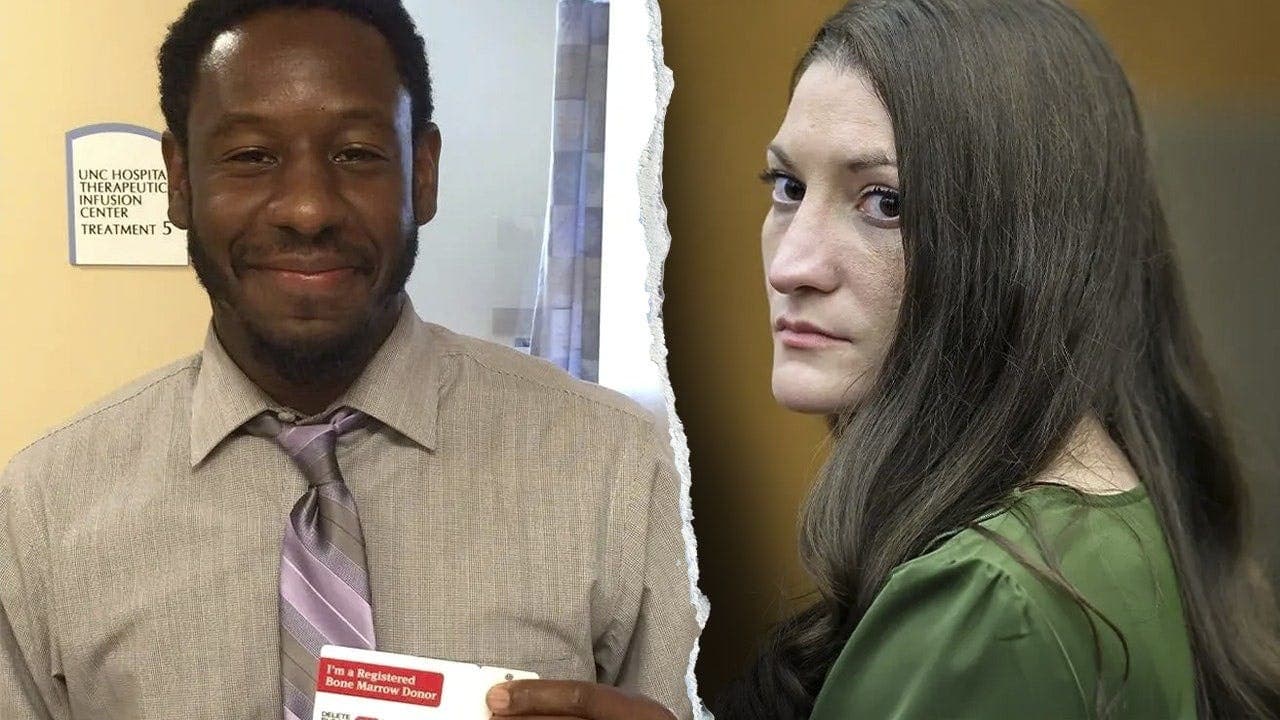
The lone holdout juror in Lindsay Clancy's murder trial says he had no reasonable doubt in his first TV interview.
A juror defending his vote on television is not evidence, and it does not change the legal posture: a hung jury means no verdict, and Clancy remains unconvicted. The fight now is whether Clancy's defense can turn the deliberation-room dispute into a court inquiry, and what a retrial would look like.
Read the take
Reporting noted by Fox News and Mediaite.